
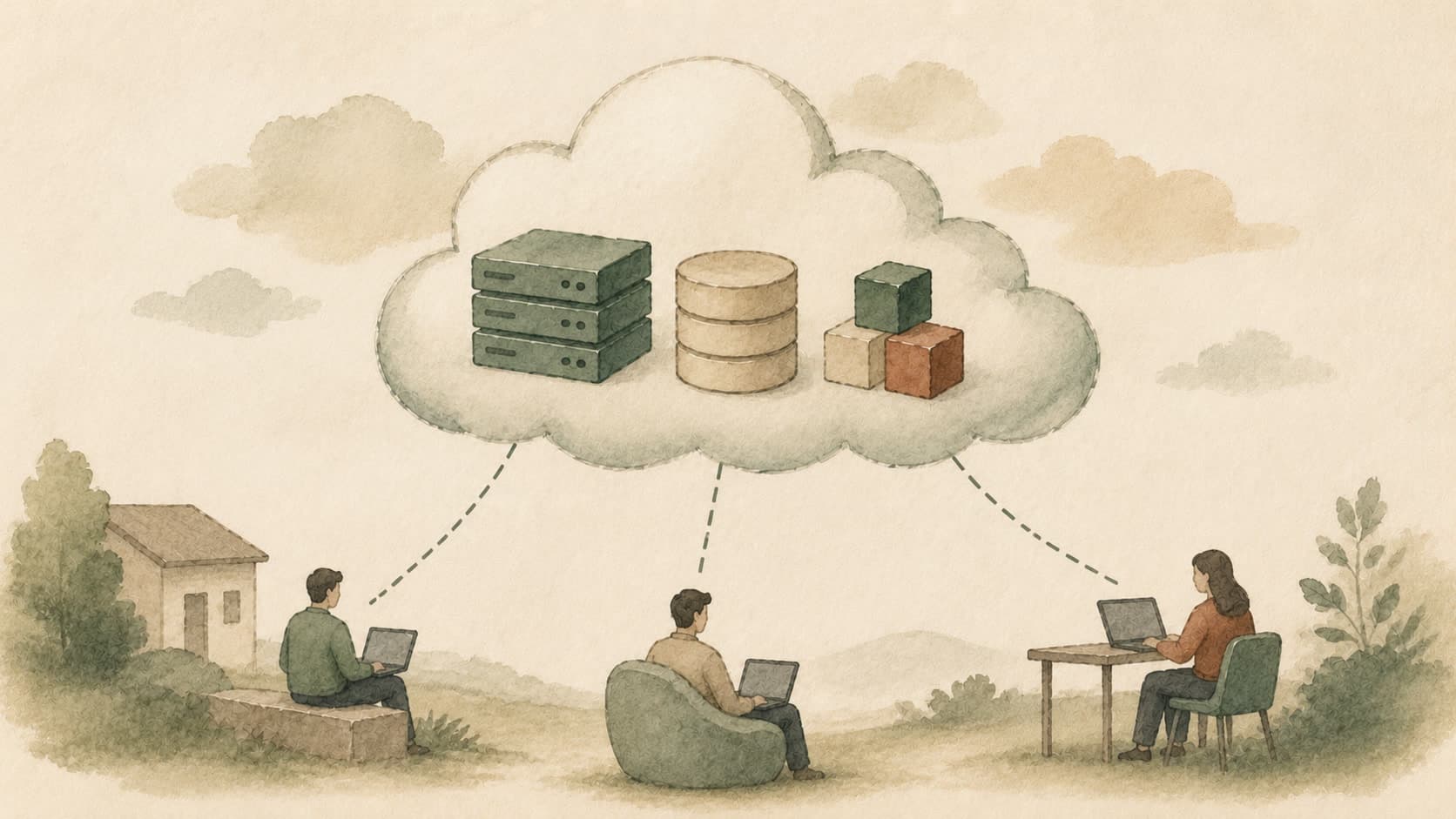
IaC turns clicks in a console into commits in a repo. The infrastructure is described declaratively; the tool reconciles the description against reality. Reviews, diffs, and rollbacks come along for the ride.
In plain language
In infrastructure and DevOps, this is part of the toolkit that keeps services running across many machines. IaC turns clicks in a console into commits in a repo. The infrastructure is described declaratively; the tool reconciles the description against reality. Reviews, diffs, and rollbacks come along for the ride. If you are new to the field, the simplest mental model is this: defining your infrastructure in version-controlled files. Read it once with that frame in mind, then come back and read it again — that is usually enough for the rest of the entry to make sense.
An everyday picture
Think of Infrastructure as Code as the wiring inside a wall. Nothing about it is interesting until the lights go off — at which point it is the only thing anyone wants to talk about.
Where it shows up
Infrastructure as Code quietly carries the weight of running software in production — deploys, scaling, traffic, incident response. Users rarely hear about it, which is exactly the point.
A small example
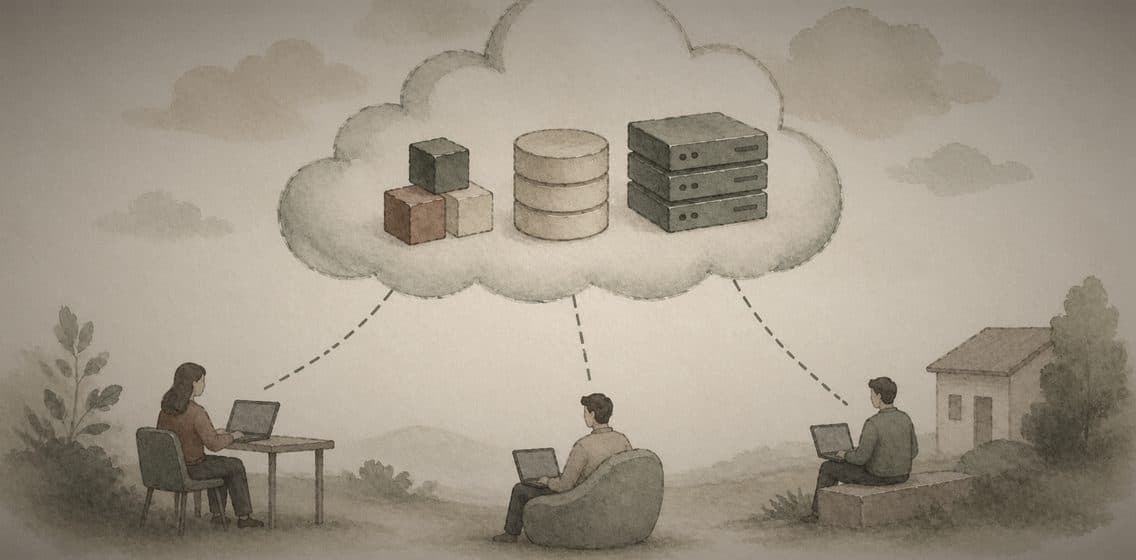
Imagine the scene above. The role Infrastructure as Code plays is the one its blurb describes — Defining your infrastructure in version-controlled files. When a website stays up through a sudden traffic spike, ideas like this are part of the quiet machinery that absorbed the load.
Common misunderstanding
One line to take with you
Infrastructure as Code is most successful when nobody is talking about it. Build it so the room stays quiet.